Level 3 Diploma in Canine Massage
MAKE AN ENQUIRY
| Ofqual Code | 610/3556/7 |
|---|---|
| Qualification Level | 3 |
| Guided Learning Hours | 410 |
| Enrolment will be valid for | You have 24 months to complete your course. |
| Credits | 50 |
| Practical Placement (Mandatory) | Learners are required to complete 42 hours of practical training linked to The Application of Massage Techniques in Canines unit. |
| Study Mode | Online & Practical |
| Start Date | Anytime |
| Entry Criteria | Learners need to be aged 16 or above. There are no formal entry requirements for this qualification. However, learners are expected to have working knowledge of English and Maths at Level 2. |
| Assessment Method | This qualification is assessed through a portfolio of evidence and practical demonstrations. Learners will complete written assignments alongside physical demonstrations on live animals, which will be observed and recorded by tutors. |
| Award Type | Diploma - Learners can expect their certification within 6 months of completing the course, following the (EQA) External Quality Assurance of assessment. All course fees, inclusive of all payment plans, must be settled before certification can be ordered. |
| UCAS Points | Contributes to UCAS points* |
| Post Completion | Learners may choose to apply for membership with the Animal Health Professions' Register (AHPR) following successful completion of this qualification. |

| International Association of Animal Therapists (IAAT) Students who have completed their qualification in Canine Massage can apply for a membership at the International Association of Animal Therapists (IAAT) |
International Association of Animal Therapists Membership Benefits Membership of IAAT is open to all animal therapists, veterinary surgeons and nurses and students. Applicants should be the holder of, or a student on, a qualification in the relevant animal therapies. |
Course Description:
This comprehensive Level 3 Diploma in Canine Massage qualification has been designed to provide learners with the knowledge and practical skills needed to work within the canine massage industry. Whether you’re looking to work independently, support canine wellbeing services or establish your own business, this canine massage course can help you take the next step towards a rewarding career.
Throughout this dog massage course, learners will explore therapeutic massage techniques used to support canine wellbeing, mobility and recovery. You’ll develop a strong understanding of canine anatomy, behaviour and rehabilitation strategies, alongside learning how massage techniques can be used to support dogs with a range of musculoskeletal and mobility-related conditions.
Over the course of 9 in-depth units, learners will study canine anatomy, canine behaviour in therapy environments, tissue healing methods, massage techniques and treatment planning. The qualification also explores canine wellbeing strategies and how massage can support relaxation, recovery and movement in dogs.
This canine massage course includes a vital practical element consisting of 42 hours of practical training linked to massage therapy application. This practical training allows learners to build hands-on experience working with canines in a professional setting while developing confidence in applying massage techniques safely and effectively.
Upon successful completion of the Level 3 Diploma in Canine Massage, learners may progress directly into employment within canine massage and canine wellbeing services, establish their own dog massage business or continue onto further related study within animal care and canine therapy.
Unit 1
Unit 1: The Fundamentals of Canine Massage
In this unit, learners will explore the core principles behind canine massage therapy and develop an understanding of how massage techniques can support a dog’s comfort and wellbeing. Learners will also study stretching methods and how massage therapy can be used to achieve measurable results in canines.
Unit 2
Unit 2: Water Massage for Canines
This unit introduces learners to the benefits of water-based massage therapy for dogs. Learners will study the equipment used during hydrotherapy-style treatments, how water massage techniques can support canine wellbeing, and the key considerations involved in planning aftercare following treatment sessions.
Unit 3
Unit 3: Canine Conduct in a Therapy Environment
Understanding canine behaviour is essential when working in a therapy setting. In this unit, learners will explore communication and handling techniques that can help build trust with dogs, alongside studying how discomfort and tension may influence canine behaviour during treatment.
Unit 4
Unit 4: Essential Strategies for Canine Massage
In this unit, learners will develop an understanding of different canine massage strategies and how they can be adapted to suit individual dogs. Learners will also explore massage techniques commonly used to support athletic and active canines.
Unit 5
Unit 5: Physical and Behavioural Examination of a Canine
This unit focuses on assessing a dog’s physical condition and behaviour prior to treatment. Learners will study the importance of canine examinations, including observing movement, stance, posture, and muscle condition to help identify areas requiring attention.
Unit 6
Unit 6: Frequent Nerve and Orthapaedic Conditions Introduced for Massage Therapy
In this unit, learners will gain an introduction to common orthopaedic and nervous system conditions that may benefit from massage therapy. Learners will also explore how massage therapists can approach different circumstances safely and professionally.
Unit 7
Unit 7: Methods for Healing Canine Tissue
This unit explores the healing process in dogs and the role massage therapy can play in supporting recovery. Learners will study pain management techniques and the importance of appropriate recovery times when working with healing canine tissues.
Unit 8
Unit 8: The Application of Massage Techniques in Canines
In this practical-focused unit, learners will explore a variety of canine massage techniques and how they are applied in professional settings. Learners will also study the documentation required when providing canine massage services and the importance of recording therapy evidence.
Unit 9
Unit 9: The Study of Canine Anatomy
A strong understanding of canine anatomy is essential for massage therapy. In this unit, learners will study the musculoskeletal, nervous, cardiovascular, and connective tissue systems in dogs, alongside gaining knowledge of key muscle groups and canine body structure.
Unit 10
.
Unit 11
.
Unit 12
.
Unit 13
.
Career Options
The animal care sector continues to grow, with increasing demand for specialist services focused on canine wellbeing and rehabilitation. Qualifying in canine massage can open doors to a variety of rewarding opportunities within the animal care industry.
Many learners who complete this dog massage course choose to become self-employed Canine Massage Therapists, either travelling to clients’ homes or operating from their own premises. Others may pursue opportunities within established canine therapy centres, veterinary environments, grooming salons, kennels, pet care businesses or wider canine wellbeing services.
Potential career routes may include:
• Canine Massage Therapist
• Canine Sports Massage Practitioner
• Animal Therapy Assistant
• Canine Rehabilitation Support Roles
• Self-employed Dog Massage Business Owner
• Wider canine wellbeing and animal care roles
As your experience grows, there may also be opportunities to progress into specialist therapy areas or continue onto further training in related canine therapy and rehabilitation disciplines. It’s an exciting time to qualify in canine massage as awareness around canine wellbeing and holistic therapies continues to grow.
Register My Interest





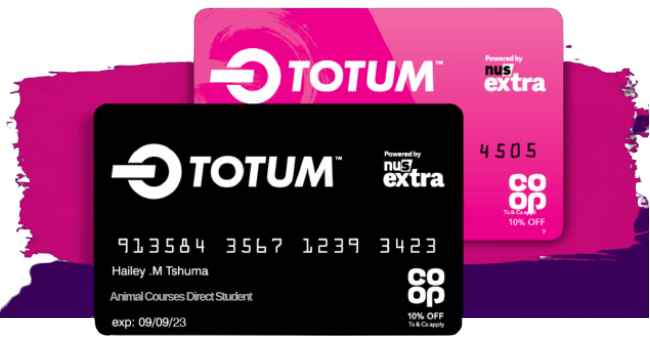
GET YOUR NUS EXTRA/ TOTUM CARD
All students who complete qualifications from level 3 or above are eligible for the NUS extra / Totum Card, which gives you access to over 200 UK student discounts with brands like Co-op, Amazon and ASOS. Apply and find out more at https://www.totum.com/