01 / 10 / 2026
Most people who want to work with animals start in the same place. They love them. Maybe you grew up surrounded by pets, or you're the person who stops the car for a hedgehog in the road. That love is a brilliant starting point, but on its own, it isn't what makes a meaningful career.
The people who find real purpose in animal work tend to be driven by something slightly different. They focus on what animals need, rather than how much they enjoy being around them. This guide looks at 8 meaningful careers built around that idea, and how our courses can help you get started.
Loving animals vs working for them
There's a big difference between a job you'd enjoy and a job with purpose. If you're choosing a role because it suits your personality, that's about fulfilment. If you're choosing it for the salary or the lifestyle, that's about reward.Purpose-driven work flips the question around. Instead of asking what a role gives you, you ask which animals are better off because you're doing it. That might be a neglected dog removed from a cruel home, or a hedgehog nursed back to health and released into the wild.
It also means accepting the harder side. Meaningful jobs with animals often involve difficult owners and heartbreaking cases, and not every story has a happy ending. What keeps people going is knowing that, without them, things would be a lot worse for the animals in their care.

Why animals need more people in their corner
Demand for skilled animal professionals isn't slowing down. The PDSA Animal Wellbeing Report 2025 estimates there are now 11.1 million dogs in the UK, the highest number it has ever recorded, alongside 10.5 million cats. More pets means more need for people who understand their welfare and behaviour.Sadly, cruelty is rising too. According to RSPCA figures, the charity's emergency line took 6,322 cruelty calls over June, July and August 2025. That's one call every 10 minutes while the line was open, and a 64% rise on the same period in 2021. It's clear that meaningful occupations in the animal sector aren't going anywhere.
8 meaningful careers built around what animals need
1. Animal Welfare Officer
Why it's needed: When animals are neglected or deliberately harmed, Animal Welfare Officers are often the first people on the scene. They investigate reports of cruelty and, where it's needed, step in to remove animals from harm.Your route in: Our Level 3 Diploma Animal Welfare Officer is designed for people who want to work in this area, whether that's with a charity or a local authority.
The National Careers Service lists Animal Welfare Officer as an alternative title for RSPCA Inspector. That role pays an average of £24,000 for starters and up to £38,000 with experience. For more on the day-to-day side, our blog on the top reasons to become an Animal Welfare Officer is a good next read.
2. Animal Licensing Inspector
Why it's needed: Under the Animal Welfare (Licensing of Activities Involving Animals) (England) Regulations 2018, a wide range of animal businesses, from dog breeders to boarding kennels, need a licence from their local council. Council licensing officers carry out inspections for new premises and licence renewals. It's a behind-the-scenes role, but it raises welfare standards for large numbers of animals at once.Your route in: Our Level 3 Award for Animal Licensing Inspectors covers the knowledge behind this type of inspection work. For background on which businesses need a licence, have a look at our guide to animal activity licensing.
3. Canine Behaviourist
Why it's needed: When a dog's behaviour gets out of hand, the outcome can be devastating for the dog and the family. In the 2023 PDSA Animal Wellbeing Report, 48% of veterinary professionals said they'd seen an increase in dogs being euthanised on behavioural grounds. A skilled Canine Behaviourist can help owners understand what's really going on and keep dogs safely at home.Your route in: Our canine behaviour qualifications let you build up step by step:
1. Start with the Level 3 Diploma in Canine Care, Behaviour and Welfare.
2. Move on to the Level 4 Diploma in Canine Welfare, Training and Behaviour.
3. Work towards practitioner level with the Level 5 Diploma for Canine Behaviour Practitioners.
4. If you want to go all the way, take the Level 6 Diploma in Applied Canine Behaviour Management, our highest-level option in this area.
4. Assistance Dog Trainer
Why it's needed: For disabled people, a well-trained assistance dog can mean far more independence and a lot more confidence in everyday life. Every one of those partnerships starts with a trainer who's put in months of patient work.Your route in: Our Level 3 Diploma in Assistance Canine Training introduces the principles behind this specialist type of training. It pairs well with our canine behaviour courses if you'd like a broader understanding of how dogs learn.
5. Veterinary Physiotherapist or Hydrotherapist
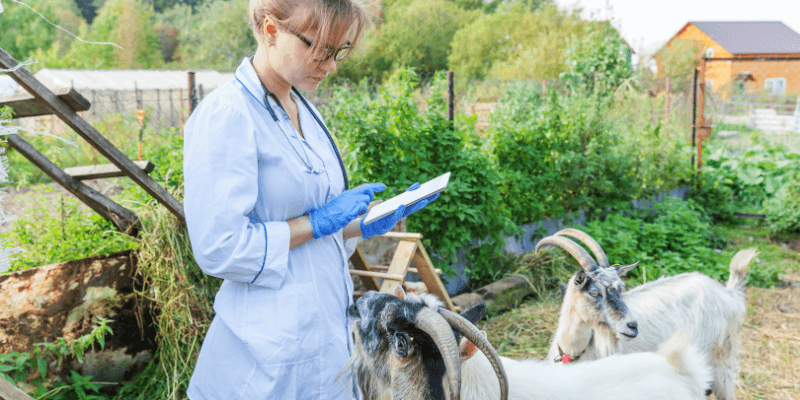
Why it's needed: After surgery or as they get older, many animals need help to move comfortably again. According to the National Careers Service, Veterinary Physiotherapists work with injured animals and those with movement problems to reduce pain and improve their health. Hydrotherapy supports that recovery by using water to take pressure off sore joints while muscles rebuild.Your route in: The National Careers Service puts average salaries at £24,000 for starters and £38,000 with experience. It also lists specialist courses from private training organisations as one route into the job. Our Level 3 Certificate in Small Animal Hydrotherapy is a good starting point, and the Level 6 Diploma in Veterinary Physiotherapy with Hydrotherapy takes you to a professional level. Already a Veterinary Nurse or Vet? There's a dedicated top-up version of the Level 6 Diploma for you.
6. Veterinary Nursing Assistant
Why it's needed: Vet practices are busy places, and frightened, poorly animals need someone to keep them calm and comfortable. Veterinary Nursing Assistants support the Vets and Veterinary Nurses so that every patient gets the care it needs.Your route in: Our Level 2 Diploma Veterinary Nursing Assistant introduces you to the role. From there, some people go on to qualify as a Registered Veterinary Nurse, which involves a course accredited by the Royal College of Veterinary Surgeons. The National Careers Service lists average salaries of £24,000 to £32,000 for Veterinary Nurses and £32,000 to £65,000 for Vets.
If becoming a Vet is the goal, our Access to Higher Education Diploma (Veterinary Science) can help you prepare for university-level study. Our guide on veterinary careers explores different jobs, responsibilities, and progression paths in more detail.
7. British Wildlife Rehabilitator
Why it's needed: The State of Nature 2023 report found that one in six species are now at risk of being lost from Great Britain. Wildlife Rehabilitators care for injured and orphaned wild animals, with the aim of releasing them back where they belong. Every hedgehog or fox cub that makes it back to the wild is a small win for British wildlife.Your route in: Our Level 3 Diploma in British Wildlife Rehabilitation Studies focuses on the care and rehabilitation of native species. Read our guide on how to become a British Wildlife Rehabilitator for more on where the role can lead.
8. Wildlife Conservationist
Why it's needed: Rehabilitation helps individual animals, but conservation looks at the bigger picture. Conservationists protect habitats and monitor species so that whole populations have a future.Your route in: Our Level 3 Diploma in Sustainable Wildlife Conservation and Biodiversity Management is built around exactly this kind of work. If you'd rather contribute to conservation through a zoo, the Level 3 Diploma in Zookeeping and Level 3 Diploma in Zoology are worth a look. The National Careers Service lists average Zookeeper salaries of £19,000 to £28,000. Our blog on how to get a job in wildlife conservation has more tips on getting started.
Can you find meaningful jobs that pay well with animals?
Let's be honest. Most lists of meaningful jobs that pay well UK recruiters put together don't feature many animal roles, and plenty of positions in this sector start on modest salaries.There are exceptions, though. Vets are among the best-paid roles, with the National Careers Service listing average salaries of up to £65,000. Veterinary Physiotherapists and RSPCA Inspectors can earn up to £38,000 with experience.
Running your own business is another way to grow your income. Prospects notes that most Animal Physiotherapists are self-employed, and that senior Veterinary Physiotherapists and consultants may earn up to £65,000 a year. Some Canine Behaviourists run their own practice too. If that appeals, our Setting Up an Animal Business course covers the essentials.
So while you won't find many animal roles at the top of the salary tables, there are meaningful jobs that pay well UK-wide if you're willing to specialise and build your experience.
Is a meaningful career with animals right for you?
Before you choose a course, it helps to think about which part of animal welfare pulls at you most. Some people are driven by stopping cruelty, while others would rather help animals recover from illness and injury.It's also worth being honest with yourself about the tougher side of the work. Welfare and rehabilitation roles can involve seeing animals in a bad way, and not every animal can be saved. The people who thrive in these meaningful occupations tend to be resilient, and they focus on what they can change.
If you're not sure where to start, our blog asking can you work with animals without a degree? is a useful read, as many of the routes above don't need one.
Start your meaningful career with Animal Courses Direct
A meaningful career with animals starts with the right knowledge. Most of our courses are studied online, so you can learn around your job and family while you work towards a role that makes a real difference.
Browse our animal courses to find the one that fits the difference you want to make.
.jpg)